Blog
Self-driving cars: a moral imperative
The case for deploying autonomous vehicles
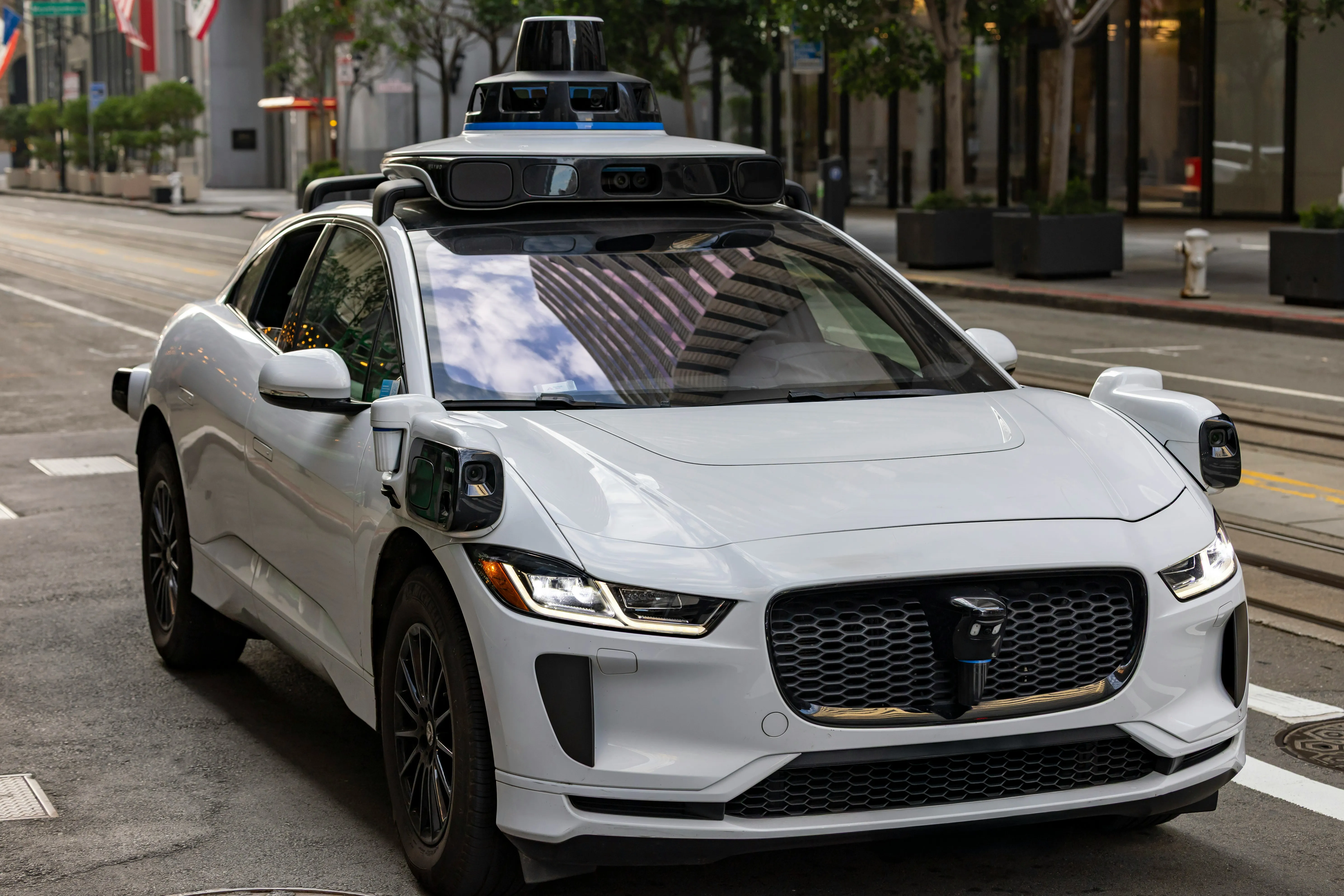
Self-driving cars, or autonomous vehicles (AV) more generally, used to scare me. They stood out to me as the clearest example of AI taking over people’s jobs. There are millions of drivers worldwide. Taking over their jobs just because we can felt unfair. However, I’ve made a U-turn after reading ‘21 Lessons for the 21st Century’ by Yuval Noah Harari, who claims that self-driving cars are a moral imperative.
Job losses
Lots of people make a living by driving vehicles: cab/taxi drivers, HGV (heavy goods vehicles like lorries and trucks) drivers, bus drivers, chauffeurs, delivery drivers (e.g. Amazon, DPD, UPS, etc.), ‘man/woman in a van’ drivers and more. By automating their jobs, we are taking away their source of income.
Some argue that we shouldn’t stand in the way of technological progress. Those drivers can be retrained to do other types of work that is still needed in a modern economy. One thorny question is who pays for this retraining. If you say it’s the government, then we may need to take a closer look at how effective the existing strategies are for finding work in your country. At least in the UK, I have severe doubts. You may argue that the companies that benefit from the AVs (Uber (or similar), the AV makers, etc.) should pay more in tax to compensate for this. In the absence of regulation to require this, it’s hard to know whether those companies would voluntarily commit to this. You might say those people whose jobs will be automated are responsible. Automation will likely come in waves rather than all at once, so there could be time to adapt. While this sounds promising, it may be challenging for these drivers to actually adapt. Many Uber drivers in the UK, for example, often work long hours to provide for their families, so taking time out of that may be difficult. And then what would they retrain in? What if they end up retraining in a field that is next to be automated? I think there should be some guidance for those affected on what the market needs most and where they can best use their skills.
Recently, there are numerous reports in Europe of a shortage of HGV drivers. It’s a similar case in the U.S. Fewer young people want to take up a career in driving large vehicles, perhaps out of concern for the limited future career prospects. However, until we have fully autonomous vehicles, that’s a gap that needs to be filled. To increase the number of active HGV drivers, the UK government recently announced a plan for its Department of Education to invest £10 million into training programmes to get up to 3,000 more HGV drivers on the road. They’re also pleading with those who have HGV vehicles to return. If similar schemes can be implemented in other areas where supply is critical, then assuming the programmes are effective, this could be a useful solution for helping displaced employees pivot their career.
Saving lives
Those in favour of self-driving cars often cite figures like 38,000 deaths on U.S. roads or 1.19 million road deaths globally1.
Humans may not be the best drivers. Even if we exclude the reckless drivers, speeders, those that drive under the influence of alcohol or drugs, tailgaters and all the other drivers that are intentionally bad or annoying, our roads could still be a lot safer (ask any cyclist).
Drivers that unintentionally fall asleep, even if it’s micro-sleep for a couple of seconds, could risk their lives and those of others. Eliminating daylight saving (the most dangerous day to be on the road) and having controls in cars that can detect signs of drowsiness could be effective.
Still, accidents happen. The promise with self-driving cars is that they can react more quickly than we humans can (e.g. brake sooner), won’t have blind spots, won’t get tired or distracted, will drive better in poor weather conditions (e.g. darkness and fog) and won’t drive irresponsibly.
While they may be safer than humans today, there are unfortunately still tragic casualties. News reports of incidents where mistakes were made that wouldn’t have fooled most drivers, like mistaking a cyclist for an unknown object, are unacceptable. Our safety bar is rightfully considerably higher for autonomous vehicles. It may be hard for today’s self-driving cars to handle strange edge cases they had never previously encountered, but it’s a technical challenge we need to solve and prove before we get widespread acceptance.
A temporary spike in road accidents?
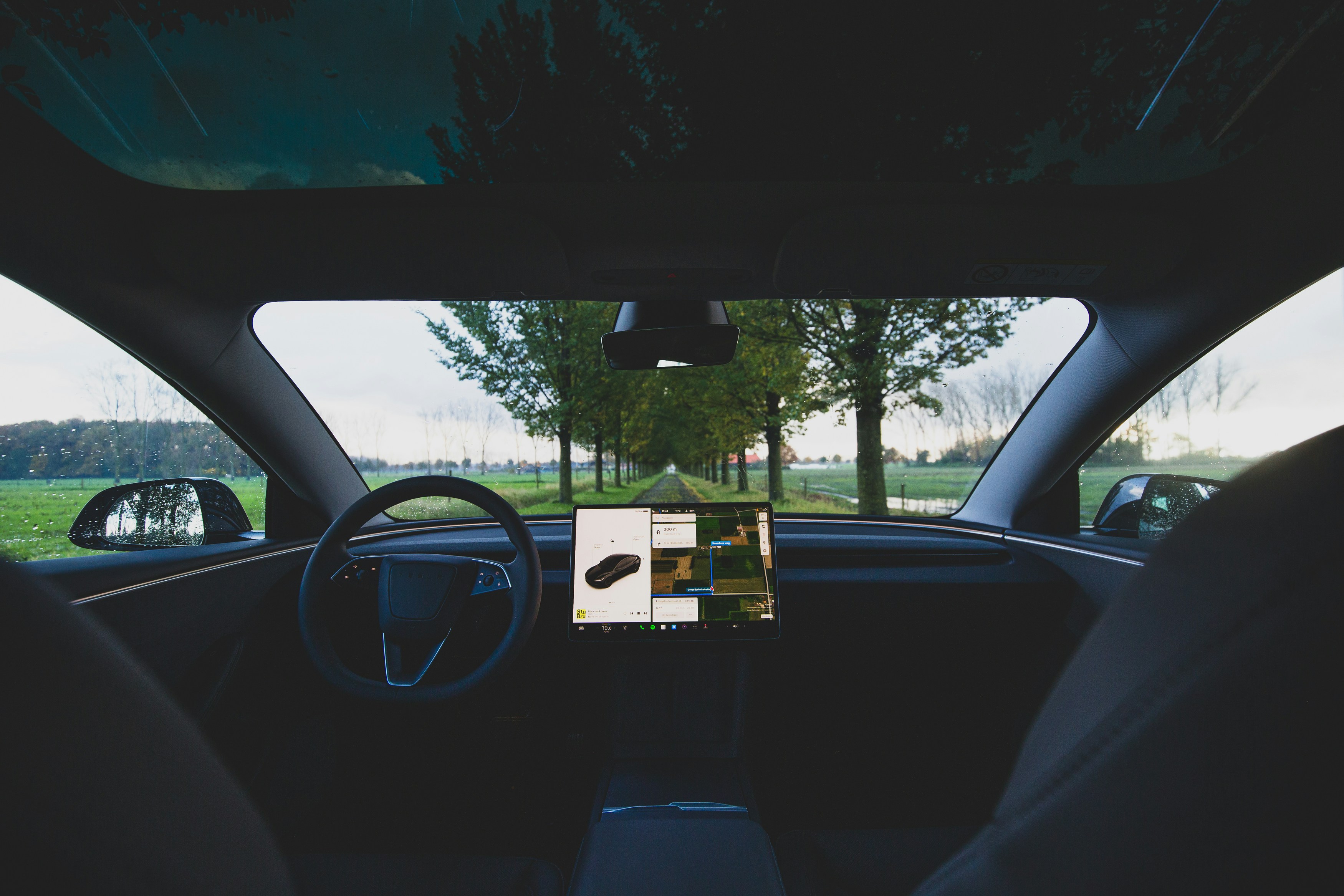
I previously mentioned that autonomy could come in waves. Here are the different levels of autonomy:
Level 0: no automation
A car that doesn’t have any autonomous technology, such as sensors and cameras. These are the most popular types of cars today.
Level 1: driver assistance
Vehicles that can assist drivers, but a trained driver is still needed behind the wheel.
Modern vehicles are level 1 if they have features like cruise control and help keep you in your lane.
Level 2: partial automation
A human driver still has to keep their hands on the wheel at all times. The car can help with managing speed and steering, ensuring you maintain a safe distance from the car in front.
An example is Tesla’s Autopilot.
Level 3: conditional automation
Level 3 vehicles can drive themselves under ideal conditions, such as when on a motorway/highway where there are clear markings dividing the separate lanes.
You don’t need to have your hands on the steering wheel, but a qualified driver is still required to sit in the driving seat to take over if needed.
Level 4: high automation
Level 4 vehicles will be able to drive themselves without human input in most scenarios. This may be limited to known cases where the level 4 vehicles have demonstrated that they’re safe. Had there not been legal restrictions in place, we likely would have seen more level 4 vehicles on the road today.
Level 5: full automation
True driverless vehicles. They should be able to handle all scenarios and not need any human intervention. In theory, you could put a child, a blind person or an unqualified driver in the driver’s seat.
See 2 for the source of these five levels.
As humans drive less and trust autonomous vehicles more, our skills could atrophy (particularly for level 4+). This may mean that if you are needed to intervene in a hazardous situation, you may no longer be sufficiently skilled to handle the situation effectively due to lack of practice.
It’s purely speculative, but I wonder if we’ll reach a point where we get a temporary spike in the number of road accidents when more vehicles on the road are autonomous. The hope is that these issues will be quickly patched by the AV makers, so they get better over time.
A moral imperative
Coming back to Yuval Noah Harari, he posed a simple question in his book. What matters more: saving jobs or saving lives? While we ideally want both, if self-driving cars are shown to make roads safer, it would be remiss not to expand adoption. It’s worth mentioning that Tesla’s Autopilot is a good example of a middle ground; it can warn human drivers if it detects a potential collision, but humans are still in charge.
That being said, it can be hard to justify autonomous vehicles if flaws in the autonomous systems claim lives, especially for the families affected. My hope is that autonomous vehicles will follow a similar path to aeroplanes, where safety improves as technology improves, and necessary regulation is put in place to demand a very high safety standard.
If we can make autonomous driving safe, I’d agree with Harari that it’s a moral imperative, and saving lives takes precedence over saving jobs.
Sources:
- https://www.who.int/news-room/fact-sheets/detail/road-traffic-injuries
- The 5 Levels of Autonomous Vehicles. https://www.truecar.com/blog/5-levels-autonomous-vehicles/
Cover photo by Leo_Visions on Unsplash