Blog
Living in the most peaceful time in human history
Steven Pinker's look into a history of violence throughout history
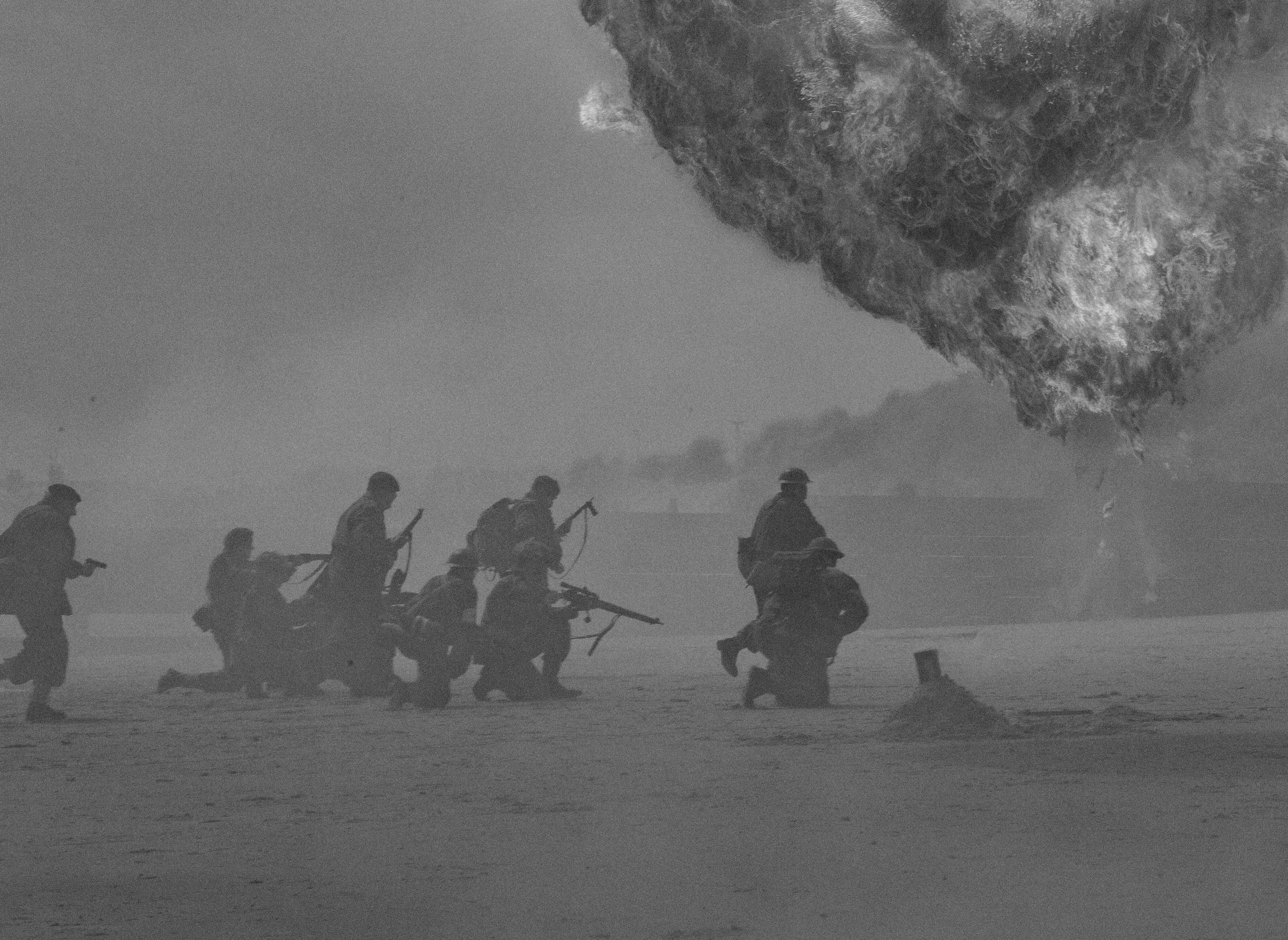
Disclaimer: this is based on a book I read in 2020, which predates Russia’s invasion of Ukraine, the Israel-Gaza war and Iran war.
We’re living in the most peaceful time in human history, according to Steven Pinker in his book ‘The Better Angels of our Nature’. This is particularly true in Western and Central Europe today.
It’s quite a claim and it may seem counter-intuitive at first. However, Steven Pinker supports it through thorough research and data that appear to show clear trends.
Pinker starts by examining violence through history, particularly its prevalence in religion. This includes stories within holy scriptures (there is a lot of violence in the Old Testament alone) and violence committed by fanatical extremists. It’s quite interesting to see the Crucifix’s dual use in history: as a symbol of warmth for believers and as a symbol of torture when used by groups like the Spanish Inquisition.
Reduction in violence
The move from non-state societies to states saw a large reduction in violence (amongst other driving forces). This was partly because states had better law enforcement, which made people more fearful of committing violent crimes1. Many non-state societies had significantly higher numbers of war deaths than even the deadliest state societies.
According to Pinker, the average yearly rate of death from warfare in non-state societies is 524 per 100,000. Kato, a non-state society in California in the 1840s, had nearly 1,500 war deaths per 100,000 people per year. For comparison, here are the rates for several different state societies:
| Who | Deaths per 100,000 annually |
|---|---|
| Germany, 20th century | 144 |
| Russia/USSR, 20th century | 135 |
| France, 19th century2 | 70 |
| Japan, 20th century | 27 |
By contrast, even combining deaths from all organised violence (wars, genocides, purges and man-made famines), the worldwide rate for the entire 20th century accounts was 60 deaths per 100,000. That is still significantly lower than the average of 524 deaths per 100,000 in non-state societies.
Deadliest war of all time?
The First and Second World Wars were undoubtedly deadly, with the Second World War killing 55 million people. That is more than any other war in history3 (see page 255). While earlier wars killed fewer people than the two world wars in absolute terms, there were also far fewer people in the world at the time4.
Adjusted to the 20th century equivalent, the Second World War ranks as the 9th most deadliest conflict of all time. The An Lushan revolt in China, an eight-year revolt during the Tang Dynasty, was the most deadliest in relative terms. It is estimated that 36 million people died in absolute terms, or the equivalent of 429 million people when adjusted for the twentieth-century population. For context, that was almost two thirds of China’s population and almost one-sixth of the world’s population at the time.
Conclusion
It’s worth noting that the book is not without controversy. Some critics argue that Pinker was wrong to compare rates of homicide and warfare using relative rather than absolute measures.
Regardless, ‘The Better Angels of Our Nature’ is one of the best books I’ve ever read. Not only is Pinker convincing in his arguments, the book flows well. At times, it felt like a novel. It’s a very long book5, but it’s full of thought-provoking detail that make you think deeply about humanity.
Here are a few other points that I didn’t get a chance to cover, but were fascinating to read about:
- Prisoner’s Dilemma & the pacifist’s dilemma
- Southern states in the US have a culture of honour, which may have led to higher crime (still persists today). Those from minorities may have taken justice into their own hands
- Commerce has been a larger driver behind the reduction in violence
- Escalator of reason
Appendix:
- See page 64 (ISBN: 978-0-141-03464-5)
- 19th century France fought the Revolutionary, Napoleonic and Franco-Prussian wars
- See page 255 (ISBN: 978-0-141-03464-5)
- The population in 1950 was 2.5 billion, which was around 2.5x more than the number of people in 1800, 4.5x more than in 1600, 7x more than in 1300 and 15x more than that in 1CE.
- My edition (ISBN: 978-0-141-03464-5) had 841 pages, excluding the notes and index section
Photo by Duncan Kidd on Unsplash
Last edited: 25th July 2026