Blog
Did it happen?
How do we know if something actually happened?
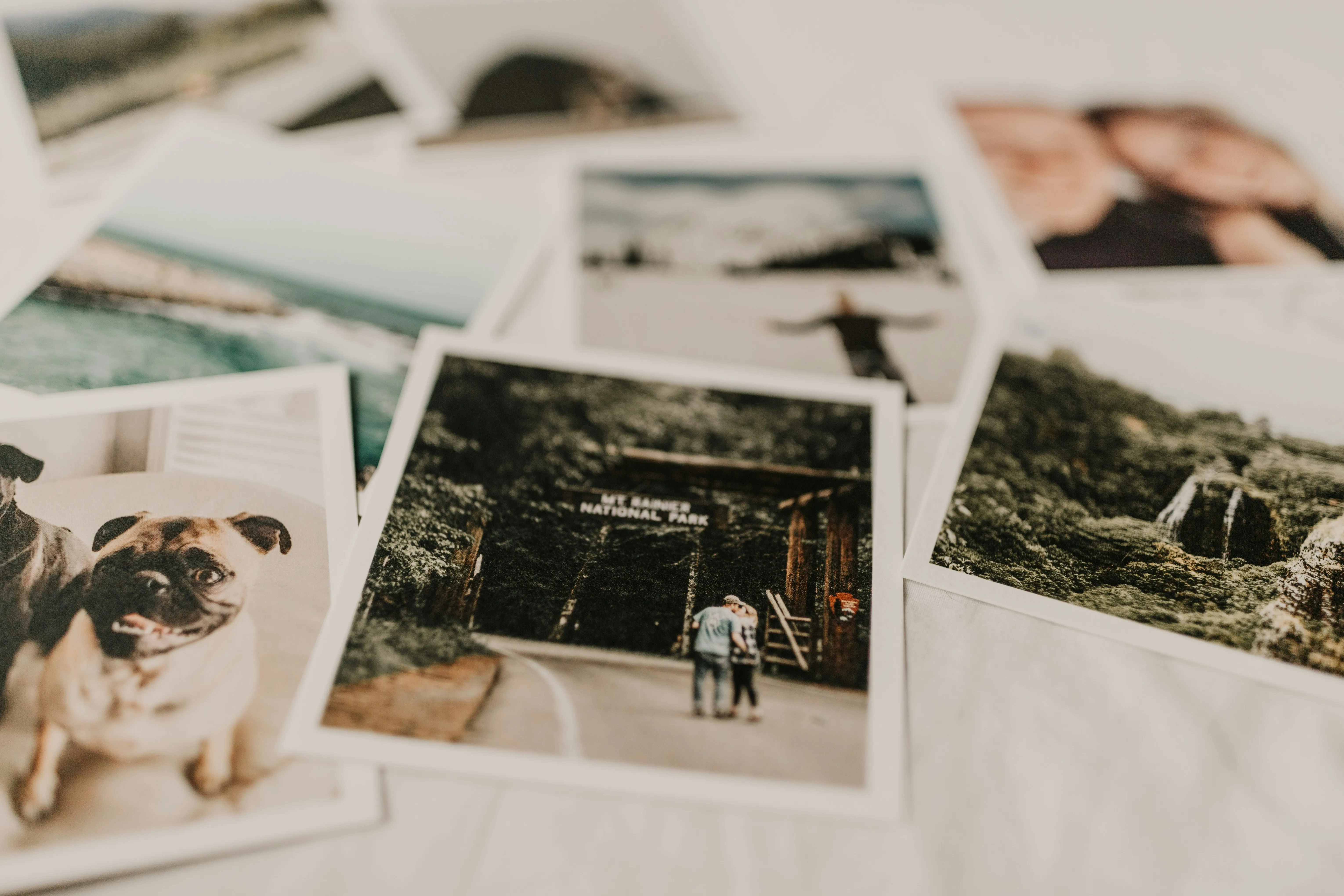
What if you believe something that no one else does? Can others’ denial turn your belief into doubt?
This is not a new idea. If you’ve read ‘1984’ by George Orwell, you may be familiar with the idea (if not, spoiler alert!). The protagonist, Winston Smith, stumbles upon proof of a discrepancy in the system: a lie that everyone believes but has been covered up. Since all Winston had to go on was his memory, with no one else to corroborate it and no way of finding the evidence again, he begins to doubt what he found.
Tara Westover’s moving memoir, ‘Educated’, is another example (another spoiler alert if you haven’t read the book). Tara experienced domestic abuse from her brother. However, her brother denied any abuse. Like Winston, although Tara’s experience is sadly real, she questioned her memory. As a result, Tara suffered in various ways and took years to come to terms with the abuse she suffered.
What if you start to question your ability to remember things accurately? What if you strongly believe something happened, but others deny it?
How can you distinguish between reality and a fabricated alternate reality that you may be constructing? Simply put, how can you discern what’s real and what isn’t?
In a recent virtual Cheltenham Science Festival talk, I learnt about studies in which mice had their memories altered. This involved entirely removing memories or implanting false ones. For example, a subjected mouse may start to think that something horrible happened near the wheel in its cage. If that alone isn’t distressing, consider whether the same could be done to humans?
I’ve read about how painful memories could be reduced in Matthew Walker’s book ‘Why we sleep’. This is used to help patients with disorders such as post-traumatic stress disorder (PTSD) to improve the quality of life. In other experiments, experimenters make people believe something happened which didn’t. What if an innocent suspect could be made to believe that they committed a crime that they hadn’t?
You might think that photos and videos could help you believe something happened. Even before AI, photos could be edited with Photoshop (e.g. removing you from a photo). Videos are harder, but AI video editing and deepfakes can change things.
Or what if your handwriting was replicated to fool even you? If you journal, what if entries you wrote were edited without any signs of tampering? Or entries exist in your handwriting that you didn’t write? Would you believe it?
You may now think this is far-fetched (and that I’m being paranoid) and that no one would go to the expense or effort of doing anything like that to you. The point is that if we rely heavily on proof that can be doctored, how do we really know what happened?
It seems to me that memories strengthen by number. The more people that confirm your memory, the greater your conviction in it becomes. And if we rely on others to confirm our memories, would we lose the ability to trust own memories if others deny it?
Photo by sarandy westfall on Unsplash